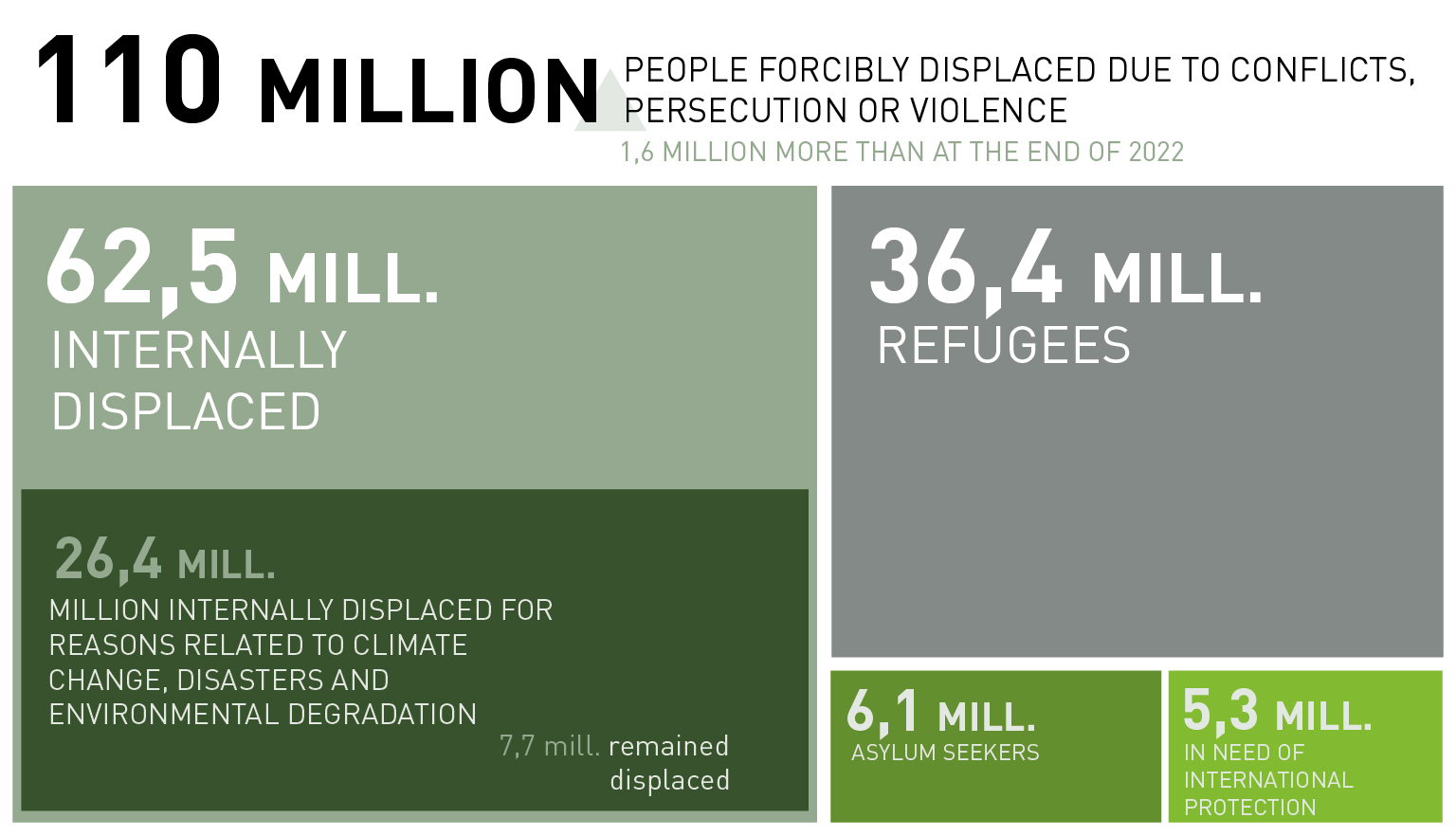
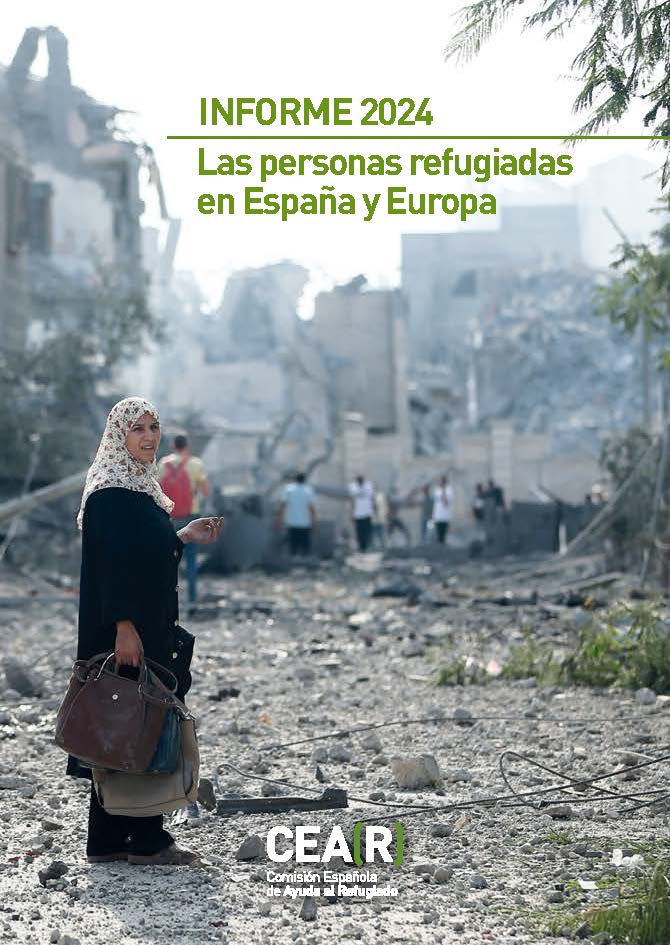
The 22nd Annual Report of CEAR analyzes the situation of refugees in Spain and Europe in a year that saw a record of 110 million people forcibly displaced worldwide.
In this report, we analyze, among other things, the situation of the main countries of origin of refugees and displaced persons and the main obstacles they must overcome in their migratory journey.
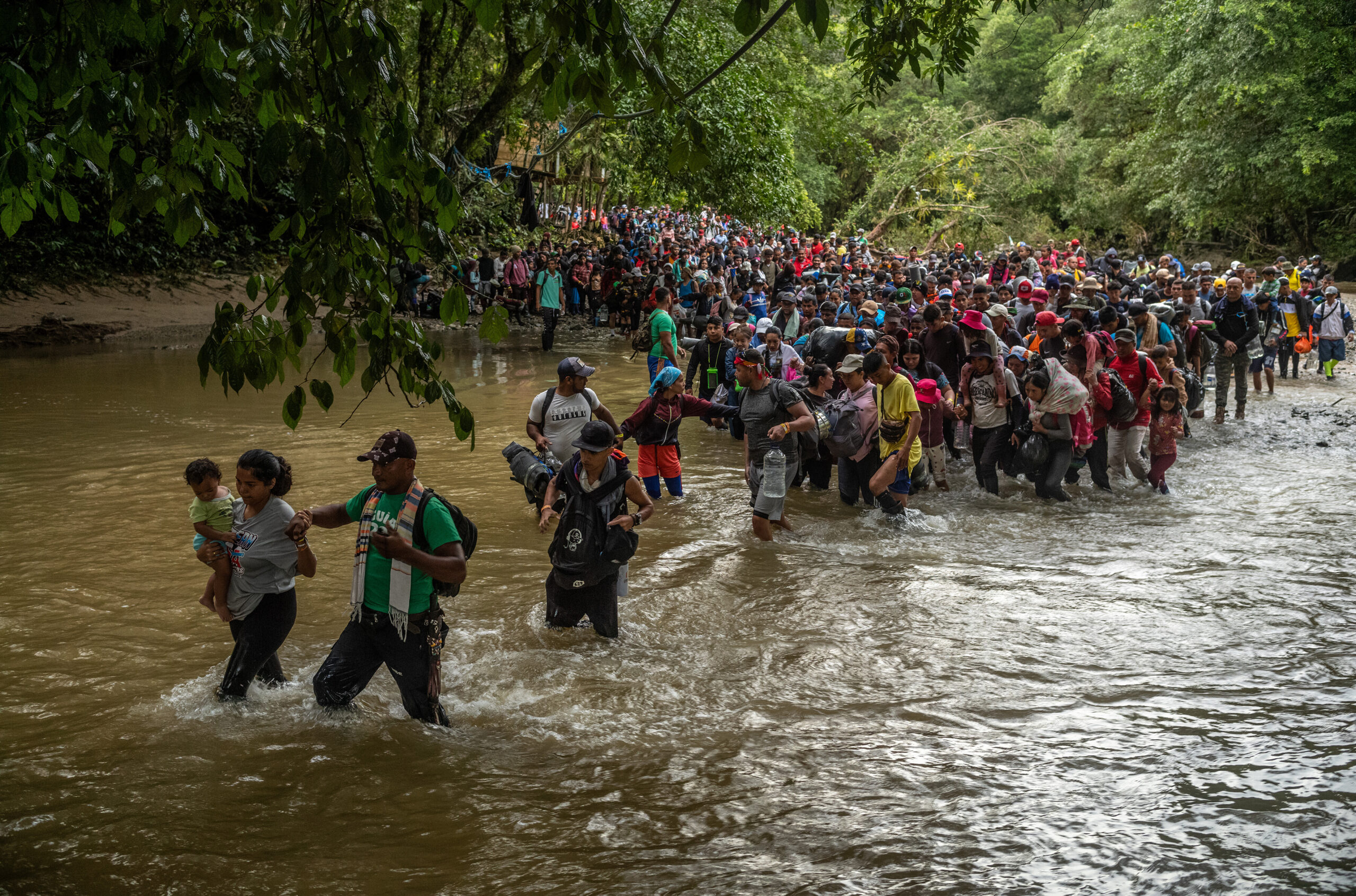
© Federico Rios / New York Times / ContactoPhoto
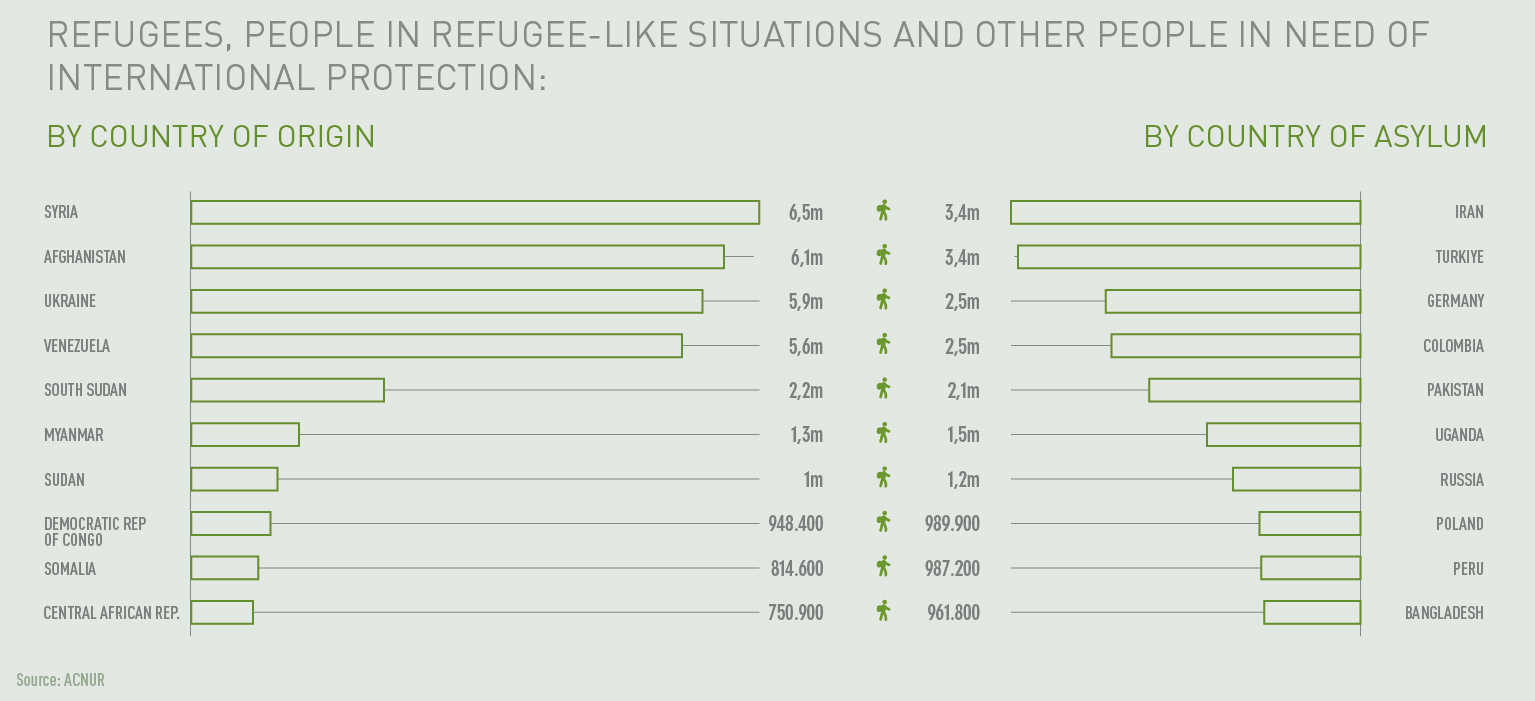
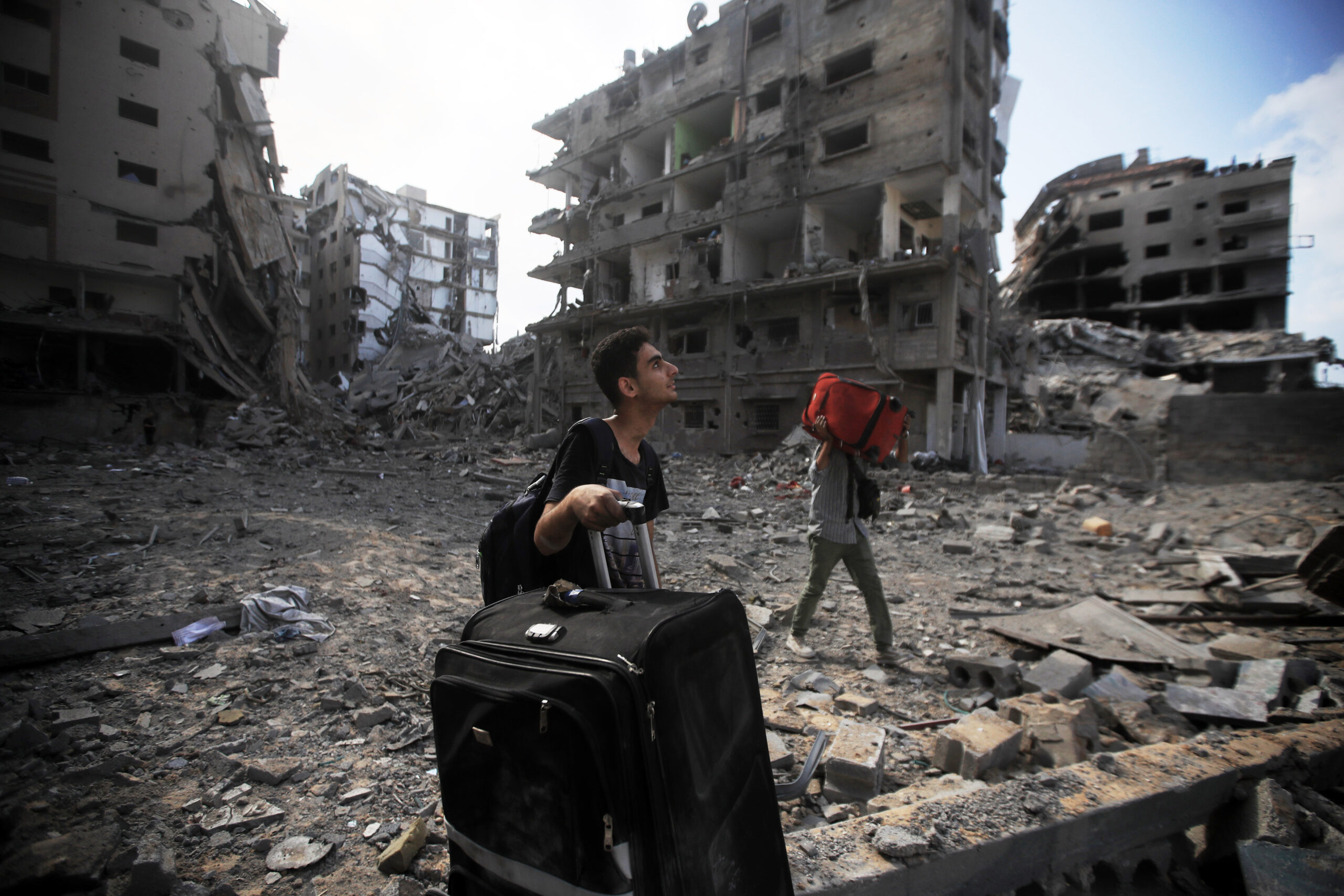
By mid-2023, 87% of refugees came from ten countries: Syria, Afghanistan, Ukraine, Venezuela, South Sudan, Myanmar, Sudan, the Democratic Republic of Congo, Somalia and the Central African Republic. Compared to 2022, there was a significant increase in Afghan and Ukrainian refugees. Additionally, the ten countries with the highest number of internal displacements were Colombia, Syria, the Democratic Republic of Congo, Ukraine, Yemen, Somalia, Nigeria, Afghanistan, Sudan and Ethiopia. 83% of new internal forced displacements in the first half of 2023 were recorded in sub-Saharan Africa, mainly in Sudan.
Most displaced people followed the trend of seeking refuge in neighboring countries, with 75% residing in the poorest countries. Among the top five host countries, only one is European: Iran, Turkey, Germany, Colombia, Pakistan and Uganda. For the first time, Iran is on this list, hosting—along with Pakistan—90% of those fleeing the Taliban regime in Afghanistan.

Climate change, environmental degradation, and natural disasters caused almost as many internal displacements in 2023 as conflicts and violence: 26.4 million people had to flee for environmental reasons in 2023. These factors further exacerbate the vulnerability of refugees and displaced persons, 76% of whom are hosted in countries most exposed to the adverse effects of climate change.
Many people displaced by conflicts, violence, or human rights violations also face droughts, floods, extreme temperatures, or natural disasters during their migratory journeys, such as the earthquake that shook Morocco in September or the floods in Libya that same month. In countries like the Democratic Republic of Congo or Colombia, extractive activities and environmental degradation worsened violence, forcing thousands of people to flee.
Although progress has been made in the international recognition of environmental displacement, in terms of climate justice,fundamental challenges remain, such as the lack of consensus on terminology and the legal protection of environmentally displaced people, requiring an urgent global response.
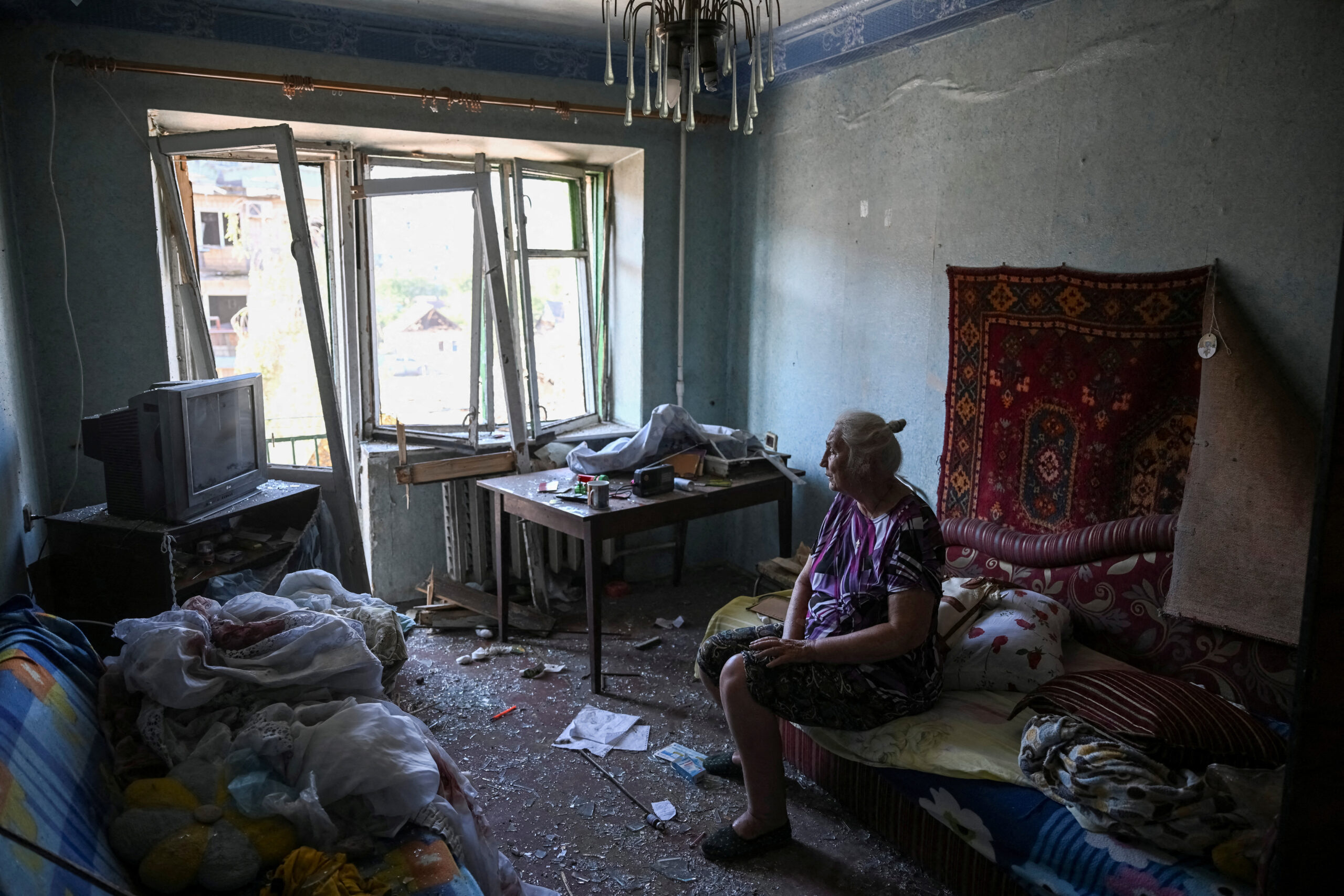
© Viacheslav Ratynskyi / Reuters / ContactoPhoto
A total of 1 129 800 people applied for international protection in the Union Europewhich represented an increase of 17% increase from 2022. Once again, Germany, France, Spain and Italy were themain recipient countries, concentrating two-thirds of the total number of applications. Syria, Afghanistan, Turkey, Venezuela and Colombia were the main countries of origin. Notably, in 2023, there was an increase in asylum applications submitted by unaccompanied children: 41,495.
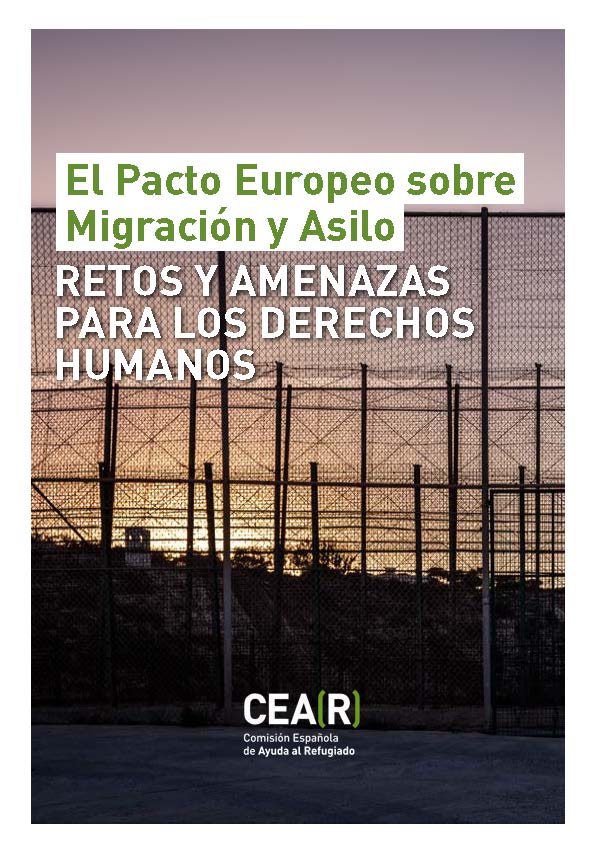
The European Pact on Migration and Asylum, adopted in 2024, poses significant protection risks, deepensa border externalisation approach and threatens respect for the rights of migrants, asylum seekers and refugees. The Pact strengthens border controls and focuses on preventing people from arriving by all means and on returning them as quickly as possible.. It, al so fails to provide for the necessary expansion of safe and legal pathways to protection,, forcing thousandsof people to risk their livesevery year.. The implementation phase in Spain over the next two years is crucial to ensuring the maximum protection and well-being of those seeking refuge.
© Antonio Sempere / Europa Press / ContactoPhoto
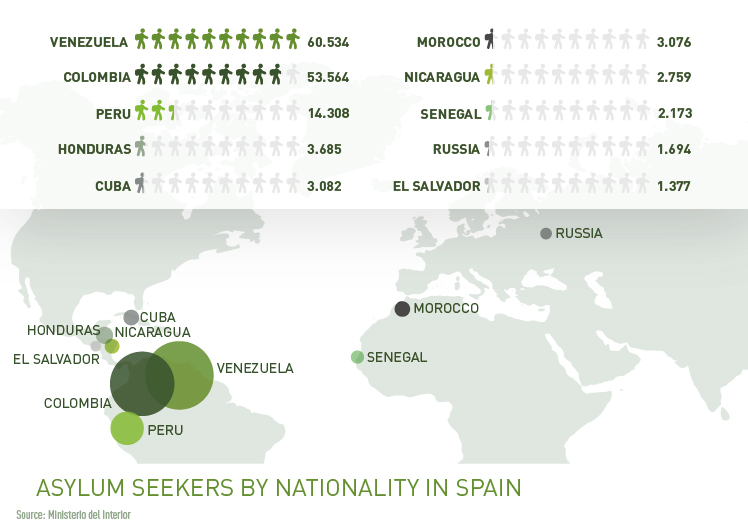
In 2023, Spain experienced an unparalleled increase in applications for international protection, reaching a total of 163,220, an increase of 37.3% compared to 2022. It was the third-largest recipient of international protection applications in the European Union. Seven out of the top ten nationalities of asylum seekers in Spain came from Latin America: Venezuela and Colombia were the main countries of origin, followed by Peru, Honduras, Cuba, Morocco, Nicaragua, Senegal, Russia and El Salvador.
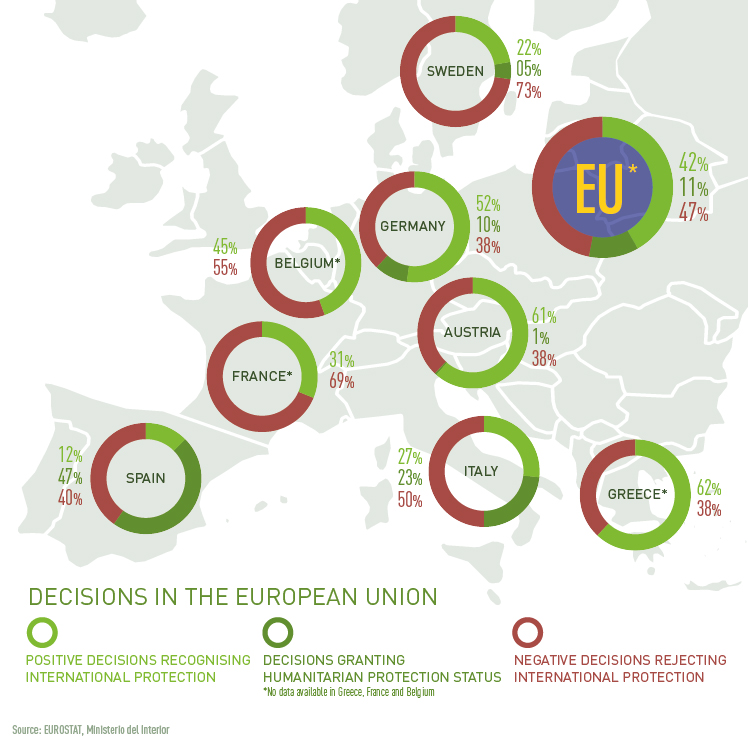
The rate of recognition of international protection in Spain fell to 12% in 2023four points lower than the previous year, which leaves Spain at the bottom of the European Union, and well below the European average of 42%. Four out of ten applications were denied.
In total, 88,042 files of different types of protection were resolved,a slight increase compared to 2022, consolidating the increasing trend in the number of resolutions since 2019.
However, the number of pending applications increased by 56% compared to the previous year, with 191,095 people awaiting a decision on which their lives depend.
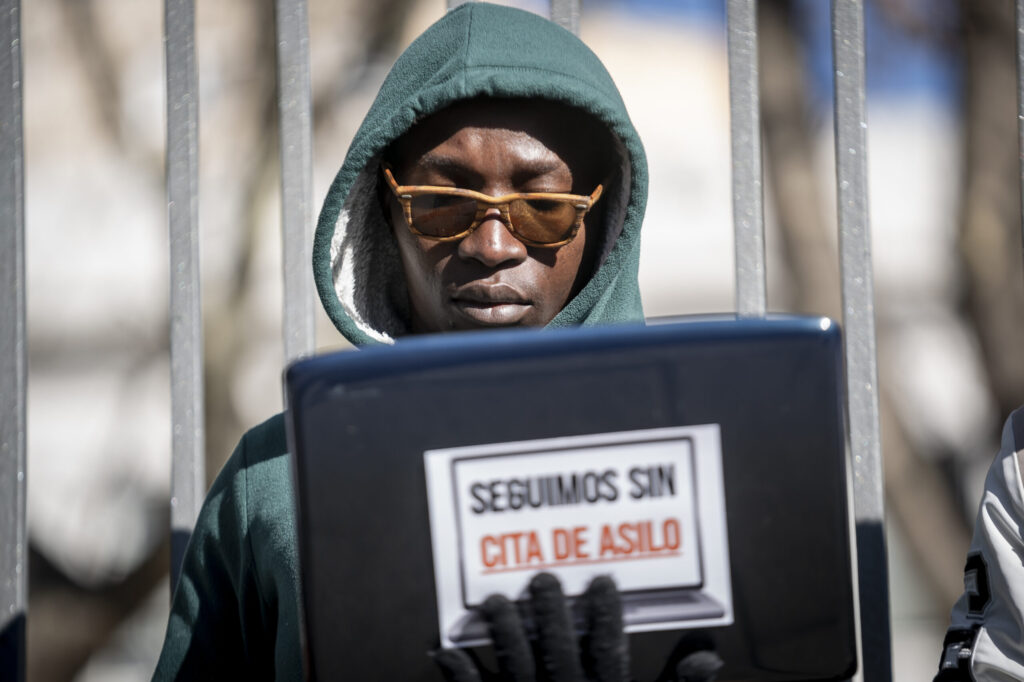
Barriers and obstacles to accessing the asylum procedure persisted, mainly to access the territory. The shortage of previous appointments fueled an irregular market for the purchase and sale of appointments, making protection needs invisible and leaving thousands of people defenseless for periods of up to nine months.
At Adolfo Suárez Madrid-Barajas Airportthere was exponential increase in asylum applications, mainly from people from Kenya and Somalia.Hundreds of asylum seekerswerein unacceptable and unacceptable conditions of overcrowding and unhealthy conditions, with delays of up to 30 days for the formalization of their asylum applications.
© Carlos de Saá
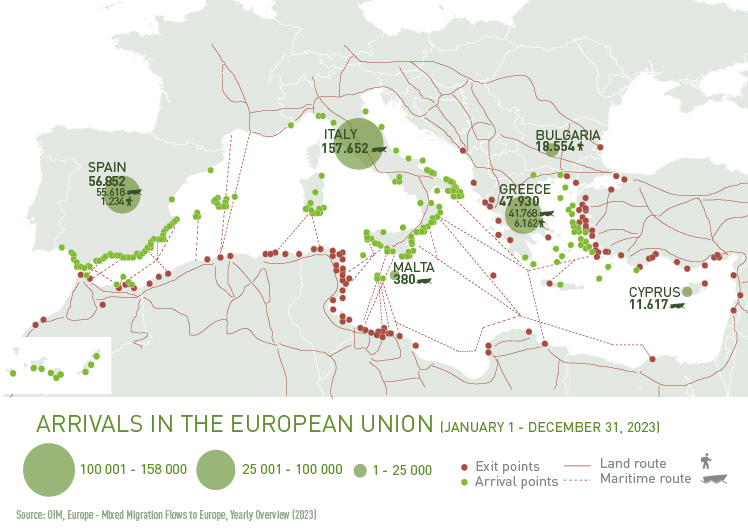
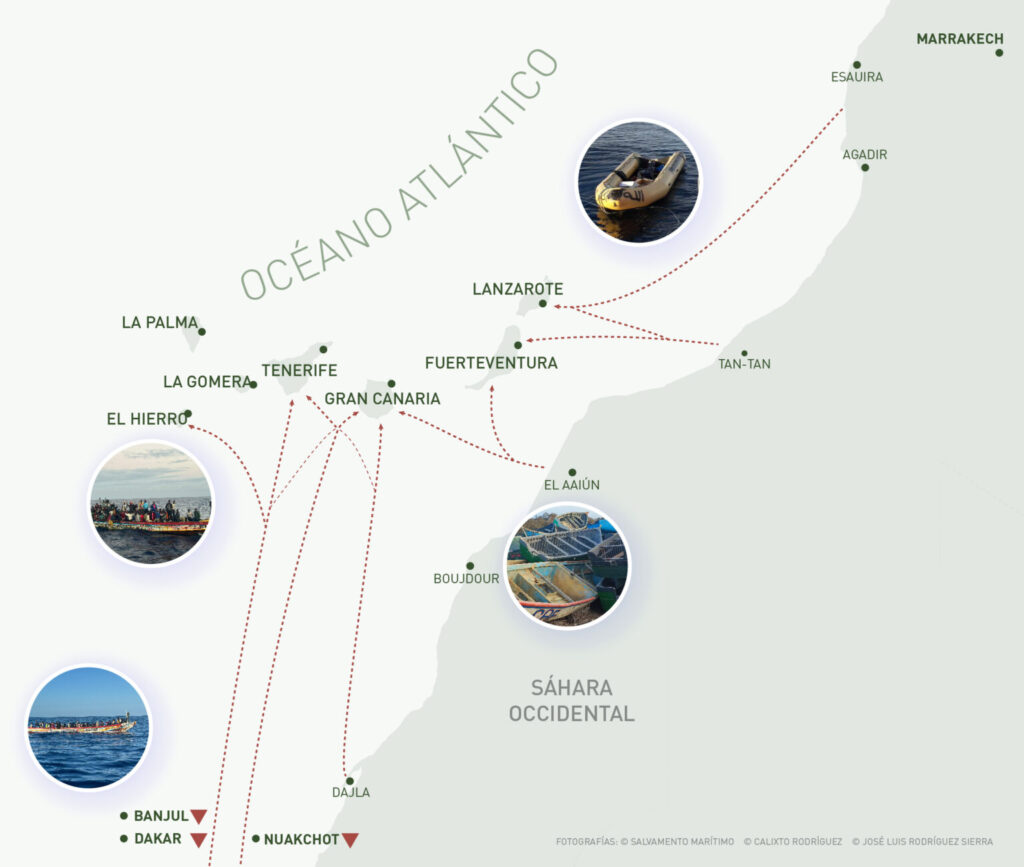
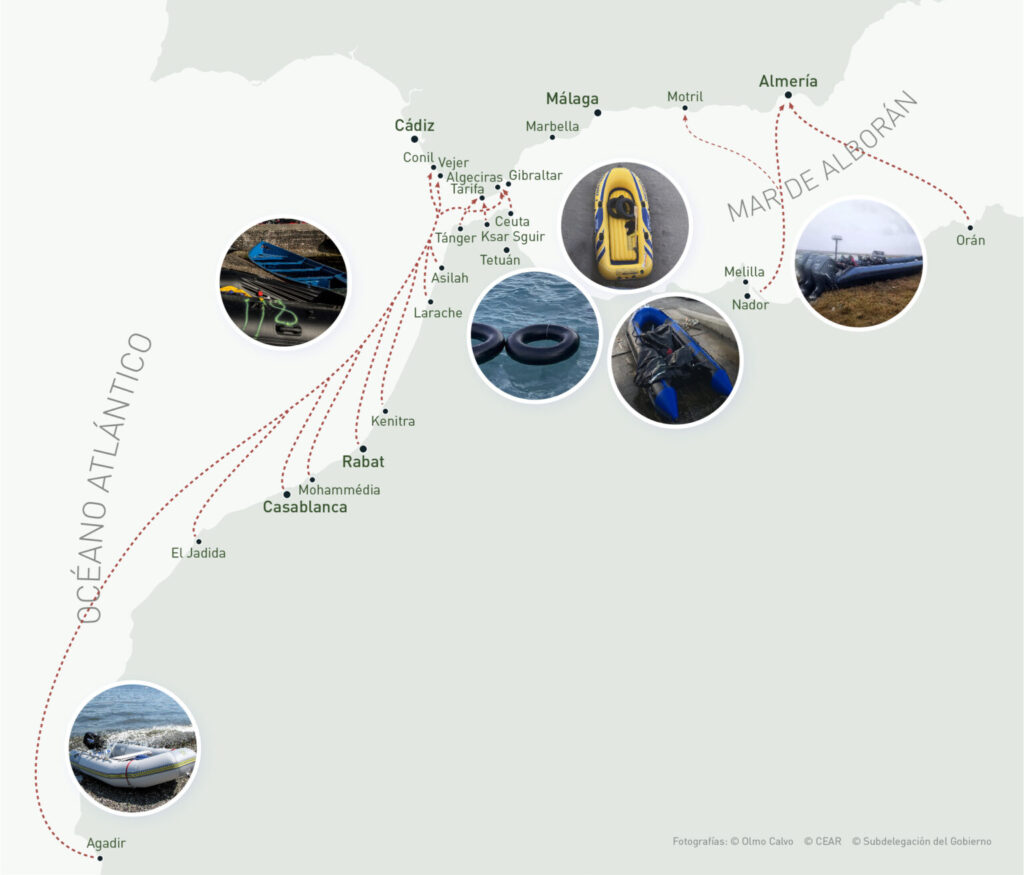
70% of arrivals in Spain were concentrated on the Atlantic route. This drastic increase in migration triggered an unprecedented humanitarian emergency since the so-called “cayuco crisis” of 2006 and represents a 155% increase in arrivals in the Canary Islands compared to the previous year.
Departures were mainly from Senegal, Mauritania, and Gambia, with El Hierro and Tenerife as primary destinations. This route is the main escape route from the African continent to Europe for people who, without access to legal and safe routes, are forced to risk their lives by boarding a cayuco to cross the Atlantic.
Spanish government’s response to the humanitarian situation was swift and extraordinary measures were activated, such as the declaration of the migratory emergency situation and the opening of new reception places. The increased speed of transfers to the mainland and the implementation of large Emergency Reception Centers (CAED) helped to relieve congestion on the islands.
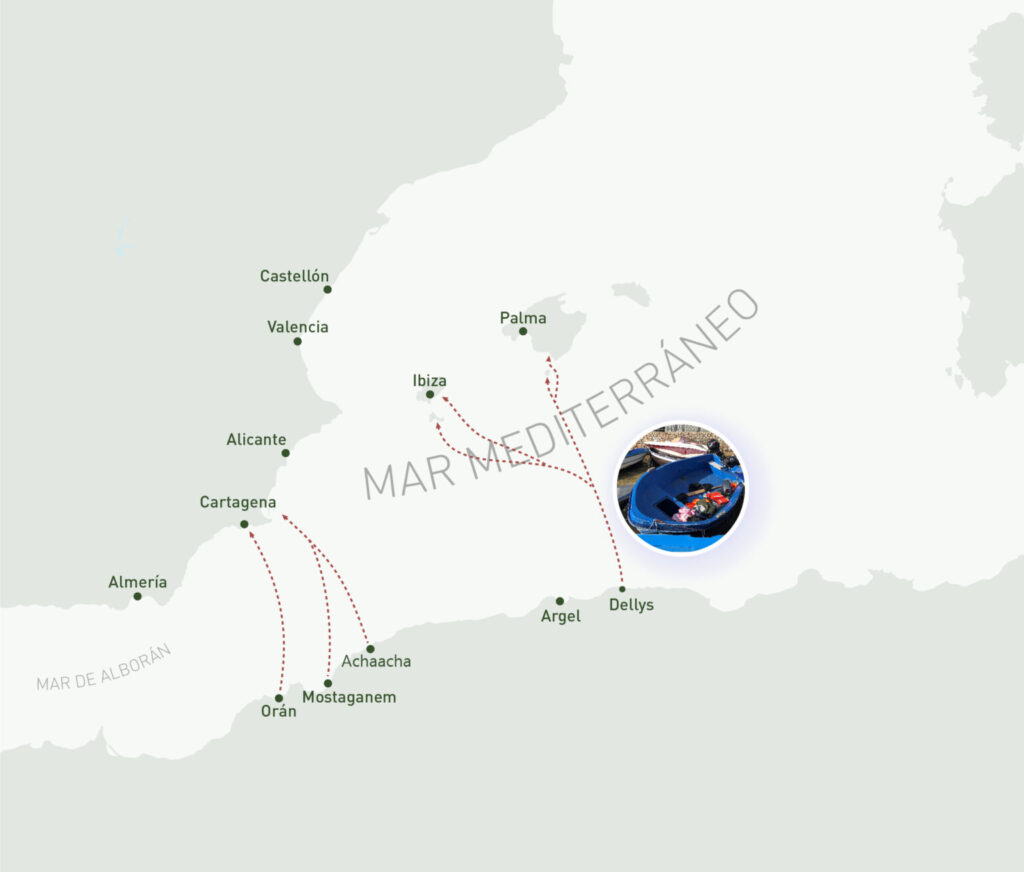
Arrivals from Nador (Morocco) increased, and to a lesser extent from Algeria, primarily using inflatable boats. The main destinations were Almería and Granada, primarily using inflatable boats.
In Murcia and the Balearic Islands, the arrival rate also remained steady, while in Cádiz, they decreased by 50% compared to the previous year.
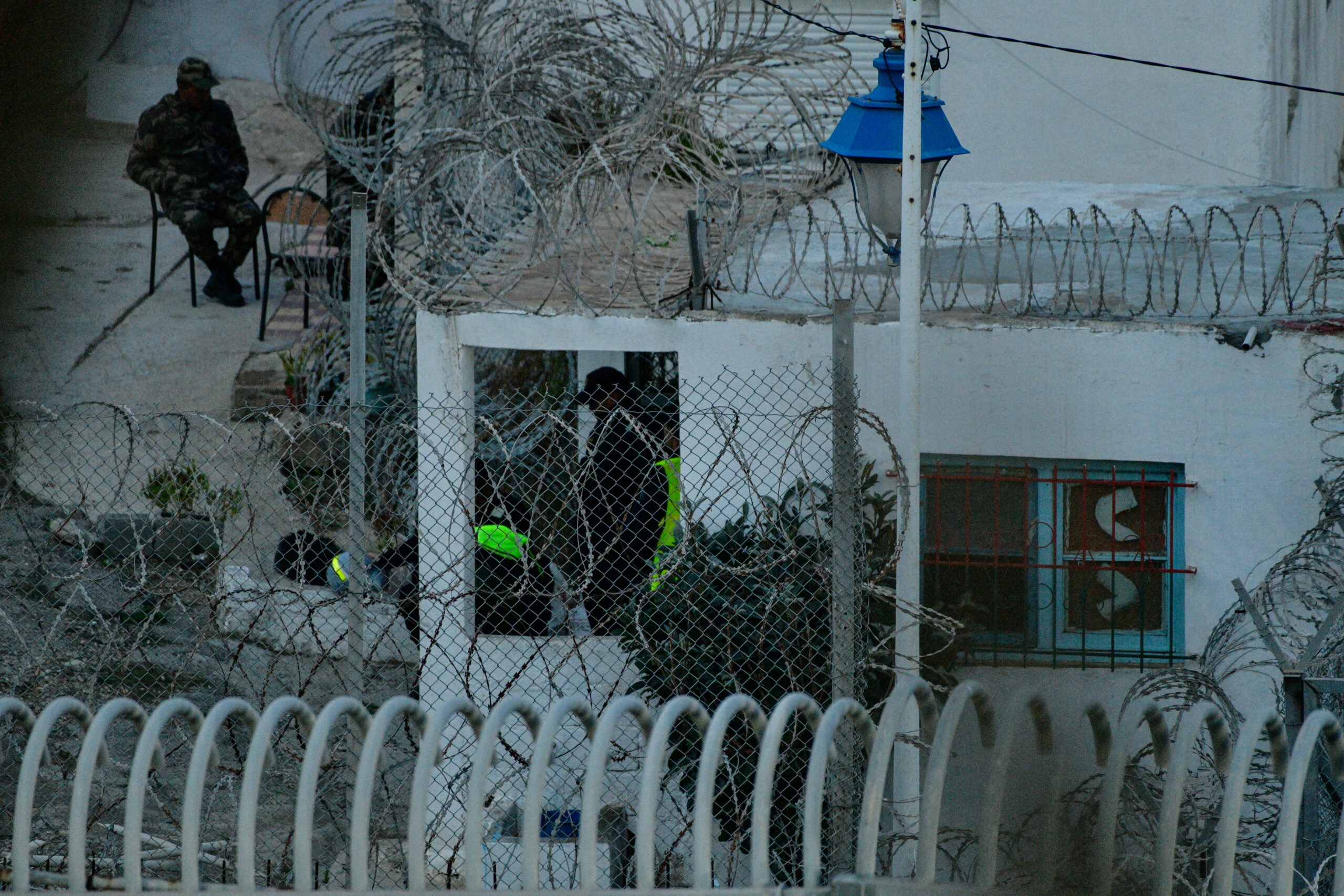
There was a slight decrease in arrivals by sea and a significant decrease by land, which could be due to increased pressure from Morocco on migrants and raids by Moroccan authorities at the borders.
In 2023, 1,068 people entered Ceuta by land, and fewer than a hundred by sea. In Melilla, only 166 arrived by land, 80% less than the previous year, although sea arrivals slightly increased from 169 to 206.
© CEAR
The reception and inclusion system in Spain faced various challenges in 2023. Some were persistent, such as the difficulties faced by migrants and refugees in accessing economic, social and cultural rights, while others were new, such as the challenges arising from the implementation of the new management model for the reception system based on concerted action, to improve the care for persons seeking international protection.
For the first time the new management model for the reception system was implemented allowing for a stable and planned response to structural needs and adapting the reception, system to the context and profile of asylum applicants.
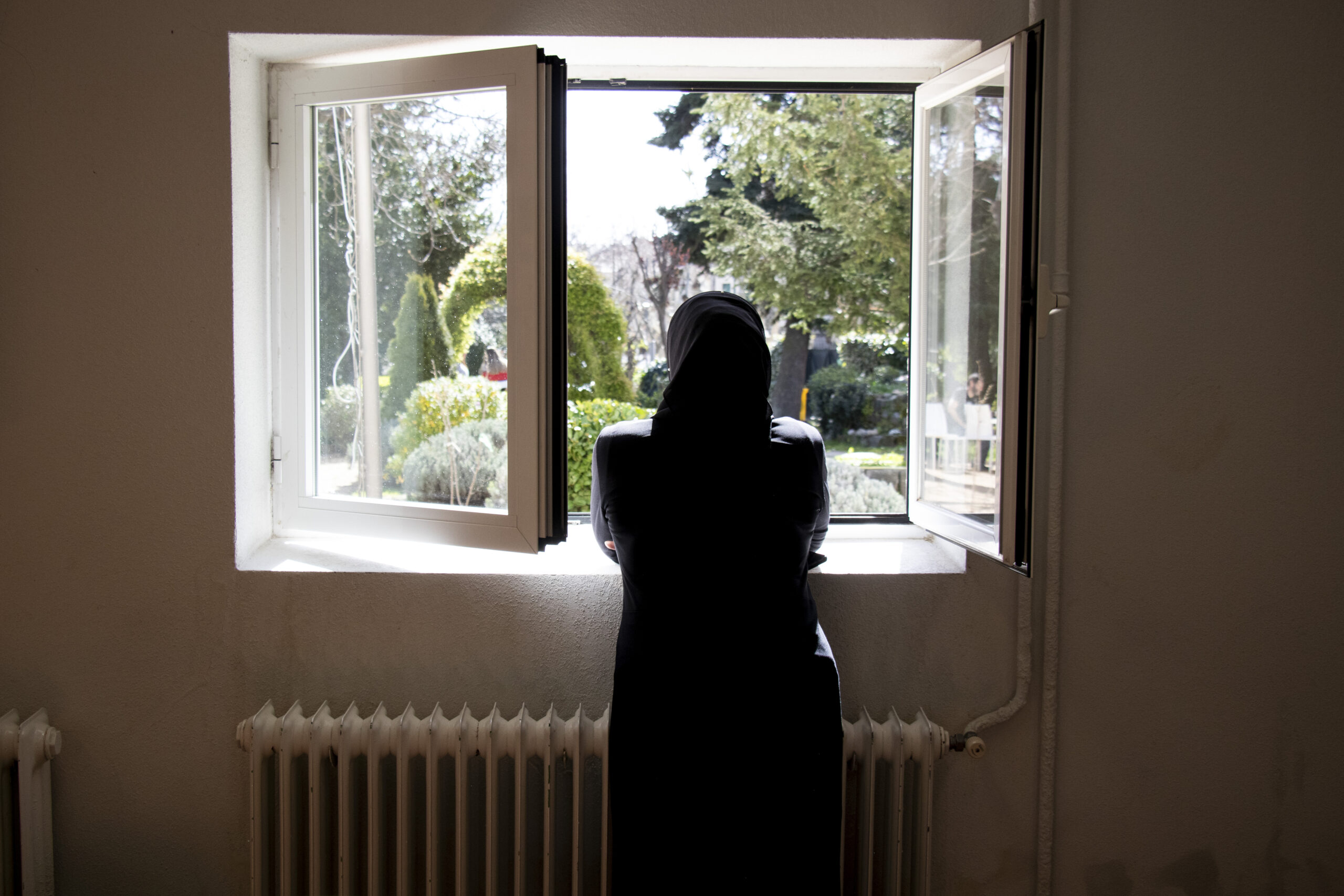
Bureaucratic procedures, ethnic and racial discrimination, the digital divide, and barriers to registering in the census or opening bank accounts hinder migrants and refugees access to housing, employment, healthcare, or education, leaving them in a state of vulnerability and social exclusion.
© CEAR
© Mohammed Zaanoun
Europe will have a new European Pact on Migration and Asylum with catastrophic consequences for the human rights and lives of migrants, refugees, and asylum seekers arriving in the European Union.
The new legislative cycle after the 2023 European elections is an opportunity for the European Union to promote and adopt political and legislative measures from a human rights guarantee perspective for migrants and refugees.